Cleaning Services in Rensselaer County
Vetted, insured cleaners across Rensselaer County, New York. Published prices, online booking, and a free re-clean if anything is missed.
Vetted & insured professionals. If something is missed, tell us within 36 hours and we arrange a return visit at no extra cost.
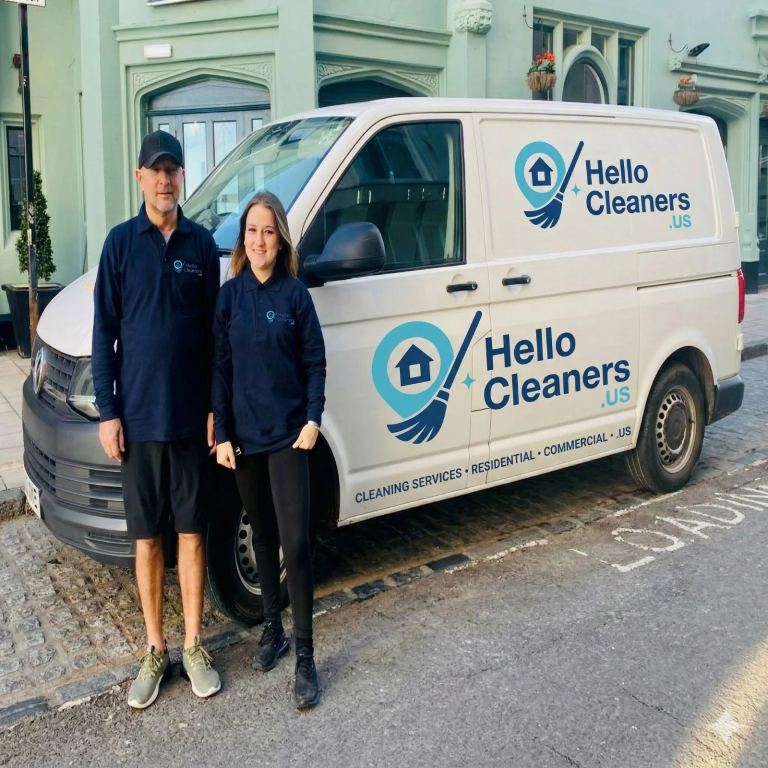
Deep cleans, move-outs and turnovers across Rensselaer County.
Cleaning in Rensselaer County
Rensselaer is a row-house county, which is unusual this far north. Troy's nineteenth-century terraces and brownstones account for much of the 33.2% of units built before 1940 — the third-highest pre-war share in this set — and 14.4% of county stock sits in small two-to-nine-unit buildings, typically converted houses rather than purpose-built flats.
Bookings are open here.
How booking works in 3 steps
The same three steps everywhere we work, including Rensselaer County.
Book or request a quote
Pick a date and tell us the size of the home. Fixed-price services confirm instantly; larger jobs get a written quote first.
A vetted pro arrives
Background-checked, insured professionals. Most teams arrive fully equipped with their own supplies — confirmed when you book.
Check the work
Walk the space before the local team leaves. Not right? Tell us within 36 hours and we re-clean the area free.
Why book with us in Rensselaer County
Background-checked and insured cleaning professionals.
Published rate-card pricing, with sales tax, scope changes and parking handled by the standard price disclosure.
Satisfaction guarantee: a free re-clean of anything missed, reported within 36 hours.
Same-day slots offered where a local team is available — confirmed before you pay.
Most teams arrive fully equipped with their own supplies — confirmed when you book.
Published starting prices apply everywhere in Rensselaer County — short notice is not a surcharge band. Jobs we only quote show a custom quote instead. The full list is on the prices page.
What a standard clean includes
Room by room
Kitchen
Bathrooms
Living areas and bedrooms
Cleaning in Rensselaer County, in detail
Troy row houses and RPI student housing, with East Greenbush suburbs on the other side of the Hudson.
That combination produces the county's defining access condition: narrow stairs, no lift, stoop entries directly onto the street, and permit parking in the city core, so equipment is carried and jobs are scoped for stair time. Median year built is 1962. RPI drives a rental market — 35.2% of occupied homes are rented — with the usual late-August concentration of turnovers. Across the river, East Greenbush, North Greenbush and Schodack supply post-war suburban houses with driveways, garages and basements, where the work is ordinary recurring housekeeping. Average household size is 2.30. Original softwood floors, plaster cornices and painted woodwork in the Troy stock rule out saturation cleaning, and winter salt on stone stoops and stair treads is a year-round maintenance theme.
About Rensselaer County
Rensselaer County is in New York, and is home to 160,332 residents. Its 66,686 households are a mix of houses and apartments, with 37.4% of homes in multi-unit buildings. Single-family houses make up 60% of the homes here. Of residents age 15 and over here, 37.7% have never married, per the same census survey. Our teams also work in neighboring Albany County, Schenectady County and Saratoga County.
Rensselaer County at a glance
Our coverage around Rensselaer County
Browse the areas our Rensselaer County teams cover.
Cities & towns we cover
Nearby areas
Cleaning services by town in Rensselaer County
- Deep Cleaning in North Greenbush
- Move-Out Cleaning in North Greenbush
- Move-In Cleaning in North Greenbush
- Post-Construction Cleaning in North Greenbush
- Carpet & Upholstery Cleaning in North Greenbush
- Appliance Cleaning in North Greenbush
- Pressure Washing in North Greenbush
- Commercial Cleaning in North Greenbush
Cleaning services we cover in Rensselaer County
Also booked in our service area: post construction cleaning services for new builds and renovations, and after-party and event cleaning services for venues, weddings and corporate events.
Frequently asked questions
Does the age of the housing in Rensselaer County affect a deep clean?
Yes — the median home in Rensselaer County was built in 1962 (US Census Bureau ACS 5-Year 2024 (2020-2024), Table B25035). Older homes bring painted trim, original wood floors, radiator surrounds and grouted tile that all take longer than newer surfaces. Say what you have and we set a realistic time on the job rather than rushing it.
What do you need to know before a first visit in Rensselaer County?
How to get in, whether there is off-street parking, whether there are pets in the home, and anything you would rather we left alone. Those four answers decide the arrival window and how the crew packs the van.
Do you cover the rest of Rensselaer County?
We take bookings across Rensselaer County and list every area we cover on the county page — if an area is not listed, we are not open there yet rather than quietly taking the job.
Which cleans can I book in Rensselaer County?
Deep cleaning, move-out cleaning, move-in cleaning, same-day cleaning and regular housekeeping. Each service has its own page with what is included and the published starting price, so nothing is quoted on the phone that is not written down.
What happens if something is missed?
Tell us within 36 hours and we arrange a return visit at no extra cost. That applies everywhere we work, Rensselaer County included.
Cleaning guides worth reading
Move-Out Cleaning Checklist: Room-by-Room Guide to Get Your Deposit Back (2026)
The national room-by-room standard our teams work to, with the inspection view beside it, printable and downloadable.
Read article →5 min readDeep cleaning vs standard cleaning: Which do you need?
Understand the differences between deep and standard cleaning services, including what each covers, when to choose which, and how often to s
Read article →2 min readHow to prepare for an organizing and decluttering visit
Identify the space, decision-maker, and work outside ordinary organizing before requesting a quote.
Read article →
Book a local team in Rensselaer County
Pick a date, tell us the size of the place, and we will confirm the details before you pay.
Mon-Sat 7:00 AM-7:00 PM (ET) · Sun 9:00 AM-5:00 PM (ET) · Vetted & insured professionals · Free re-clean within 36 hoursWhat customers say in New York
Very professional and did a great job cleaning the house
I booked a deep cleaning service in New…
I booked a deep cleaning service in New York City and honestly the team did an amazing job. My apartment hadn't been properly cleaned in months and they handled everything from the kitchen grease to the bathroom tiles perfectly. The attention to detail was impressive. If you need professional deep cleaning services in NYC, this is a solid choice.